
Recovery Services
Dry Needling with Electrical Stimulation
The same thin, sterile needles used in dry needling, with a gentle electrical current running between them. The current may produce a light tapping or a rhythmic muscle contraction. Your clinician decides whether this fits your plan.
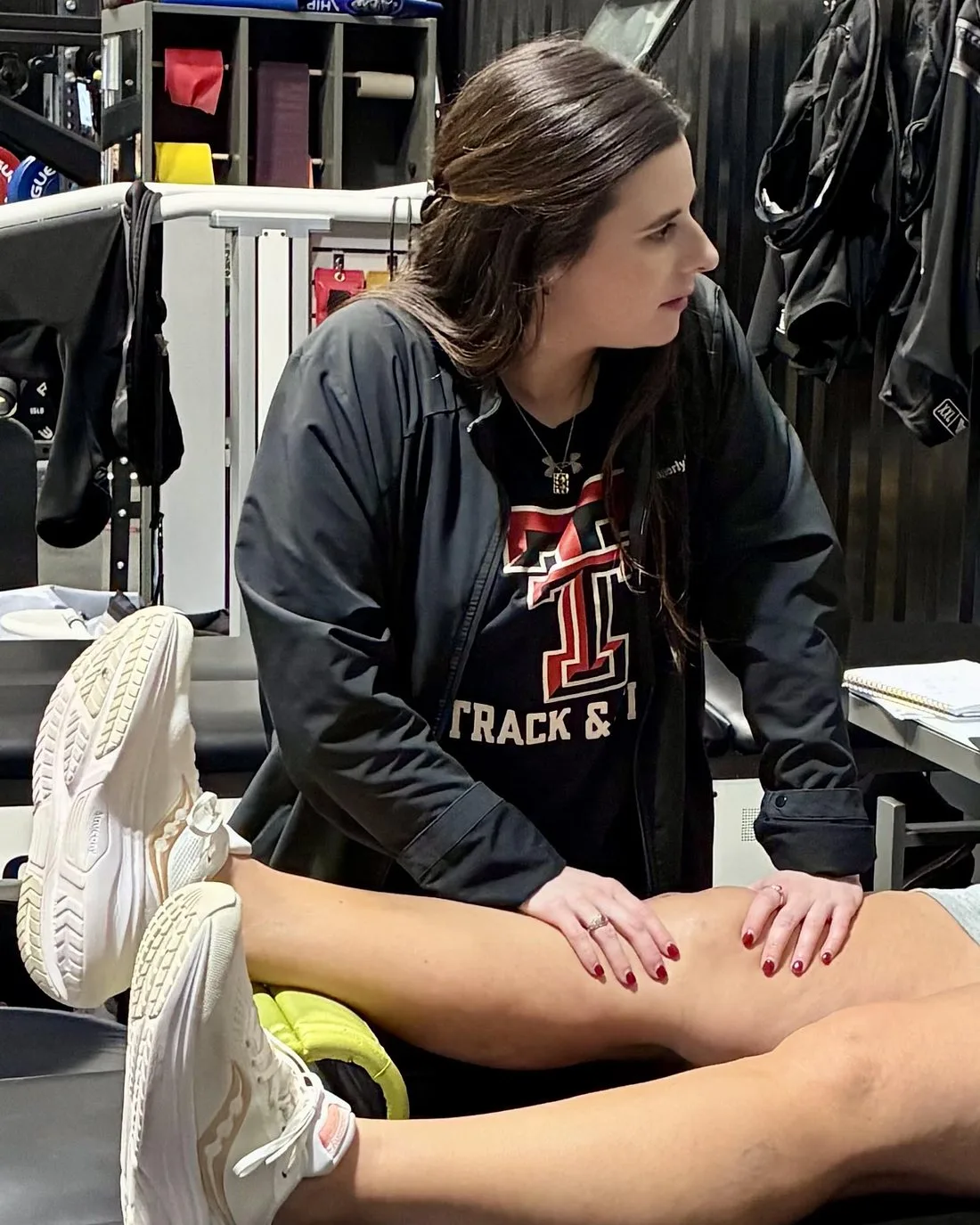
Placeholder. Procedure photo from iTOP Media.
The technique
What it is
Dry needling with electrical stimulation starts the same way regular dry needling does. Thin, sterile, single-use needles are placed into targeted muscle. Nothing is injected.
The difference is what happens next. Small clips are attached to the needle handles and connected to a clinical stimulation unit. A controlled current runs between a pair of needles, through the tissue between them.
People sometimes call this electrical dry needling. At iTOP we describe it as dry needling with electrical stimulation (e-stim), so it is clear that the current is delivered through the needles, not through pads on the skin. For surface-pad stimulation, see our electrical stimulation page.
It is used where appropriate, as part of a physical therapy plan, not as a stand-alone treatment. You can ask questions and decline it.
Your clinician will tell you if dry needling with electrical stimulation is appropriate and available at your visit. If you also need standard dry needling, that technique is available at Lubbock, Colleyville, and Irving.
In plain words
How it works
The needle itself may prompt a local twitch and may help a tight muscle let go, the same way regular dry needling may. The added current keeps a gentle, repeated stimulus in that tissue for a period of time your clinician chooses.
Depending on the settings, you may feel a buzzing or tapping, or the muscle may contract and relax on its own. Research suggests electrical stimulation may help modulate how pain signals are processed, and the repeated contraction may encourage local blood flow. For a muscle that has been guarded, the combination may help it relax more fully than the needle alone. That is a possibility, not a promise.
The current is adjusted to a level that is strong but comfortable. You should not feel a sharp or shocking sensation. If it is uncomfortable, tell your clinician. They can turn it down or stop.
As with regular dry needling, the larger goal is to make it easier to move and to complete the exercise in your plan.
Your visit
What to expect
A typical sequence. Your clinician may adjust the order or skip a step based on your exam. There is no fixed script for every visit.
-
Exam and screening
Your clinician reviews your history and checks the area. Tell them if you have a pacemaker or other implanted electrical device, if you are pregnant, if you take blood thinners, if you have a bleeding or clotting disorder, if you have epilepsy, if you have a weakened immune system, or if you have a strong fear of needles. These matter for both needling and electrical stimulation.
-
Needles are placed
Thin, sterile needles are placed in the target muscle, just as they are in standard dry needling. You may feel a brief prick, pressure, or a twitch.
-
The current is added
Clips are attached to the needle handles. Your clinician raises the intensity gradually until you feel a comfortable tingling, tapping, or rhythmic contraction. You remain still and can speak up at any time.
-
The current is stopped, needles come out
When that portion of the visit is done, the unit is turned off, the clips come off, and the needles are removed into a sharps container.
-
You keep moving
Mild soreness, a small bruise, or temporary muscle fatigue in the area is common. Your visit typically continues with exercise or other care. Follow the aftercare your clinician gives you, and contact the clinic if something feels unusual.
Healing and recovery
How it may help
This technique may be considered when a muscle is particularly tight or irritable, or when your clinician wants a longer, rhythmic stimulus than needling alone provides.
It may help with muscle tension and pain, and it may support comfort and muscle activation as you return to movement. Research on dry needling and on electrical stimulation suggests possible benefits for pain and muscle function. Combining them does not guarantee a better result than either one alone.
Any benefit is still in service of the rest of your plan: getting the muscle to tolerate loading, restoring motion, and returning to your sport with a measured progression.
Is this for you?
Who it helps
Athletes and active adults who may already be candidates for dry needling, especially when tightness is stubborn or when a gentle, repeated muscle contraction may help. It may be considered for muscle pain and trigger points in the legs, hips, back, or shoulders, where appropriate.
It is not automatically used every time you have dry needling. Your clinician chooses based on your exam, your comfort with needles, and whether electrical stimulation is appropriate for you.
Please read
Safety and side effects
The usual dry-needling effects still apply: temporary soreness, stiffness, a small bruise, or brief lightheadedness. The electrical current can also leave the muscle feeling temporarily tired. Skin irritation is less of a concern than with surface pads, because the current is delivered through the needle, but you should still tell your clinician about any unusual sensation.
Electrical stimulation has its own precautions. It is typically avoided in people with a pacemaker, implanted defibrillator, or certain other implanted electrical devices. Current is not run across the chest in a way that would interfere with the heart, and it is used with caution in pregnancy, especially over the low back, pelvis, or abdomen. Tell your clinician about epilepsy, reduced sensation in the area, or a history of bleeding problems. Muscle contractions from the current can increase bruising risk in people who bleed easily.
The rare serious risks of needling, including infection and, very rarely, pneumothorax when treating near the chest or upper back, still apply. Contact the clinic or seek urgent care for unusual pain, shortness of breath, or signs of infection.
FAQ
Common questions
It is dry needling with a controlled electrical current running between needles that are already in the muscle. Nothing is injected. The current may feel like a light tapping, buzzing, or a rhythmic muscle contraction. Your clinician adjusts the intensity and decides whether this fits your plan.
The needle placement is the same idea: thin, sterile needles in targeted muscle. With electrical stimulation, the needles stay in place for a short period while a current runs between them. Regular dry needling may use a brief in-and-out technique without that current. Your clinician chooses the approach based on your exam.
Most people feel a tingling, buzzing, or tapping, or they see and feel the muscle contract and relax on its own. It should feel strong but comfortable, not sharp. If it is uncomfortable, tell your clinician and they can turn it down or stop.
Tell your clinician if you have a pacemaker or other implanted electrical device, if you are pregnant, if you take blood thinners, if you have a bleeding or clotting disorder, if you have epilepsy, if you have a weakened immune system, or if you have a strong fear of needles. Your clinician will decide whether it is appropriate.
No. This page is about current delivered through needles. Electrical stimulation (e-stim) with adhesive pads on the skin is a different technique, used for pain relief or to help a muscle contract. You can read about that on our electrical stimulation page. Your clinician will choose which, if either, fits your visit.
Yes, where appropriate. Dry needling with electrical stimulation is a tool inside a physical therapy plan, not a treatment you do instead of movement and strengthening. Your clinician will decide how it fits the rest of your visit.

Next Step
Start with Assess.
An evaluation at our Lubbock, Colleyville, or Irving clinic. Personalized care focused on recovery, strength and performance. Wear comfortable clothes you can move in. Insurance at Colleyville and Irving; cash pay at all three clinics.