
Recovery Services
Assisted Stretching
Your clinician guides a stretch for you, sometimes asking you to contract and then relax the muscle so you can move a little farther, within a comfortable range. Assisted stretching may help you move more freely, and it is typically paired with other hands-on care and exercise. It is available at all three iTOP clinics.
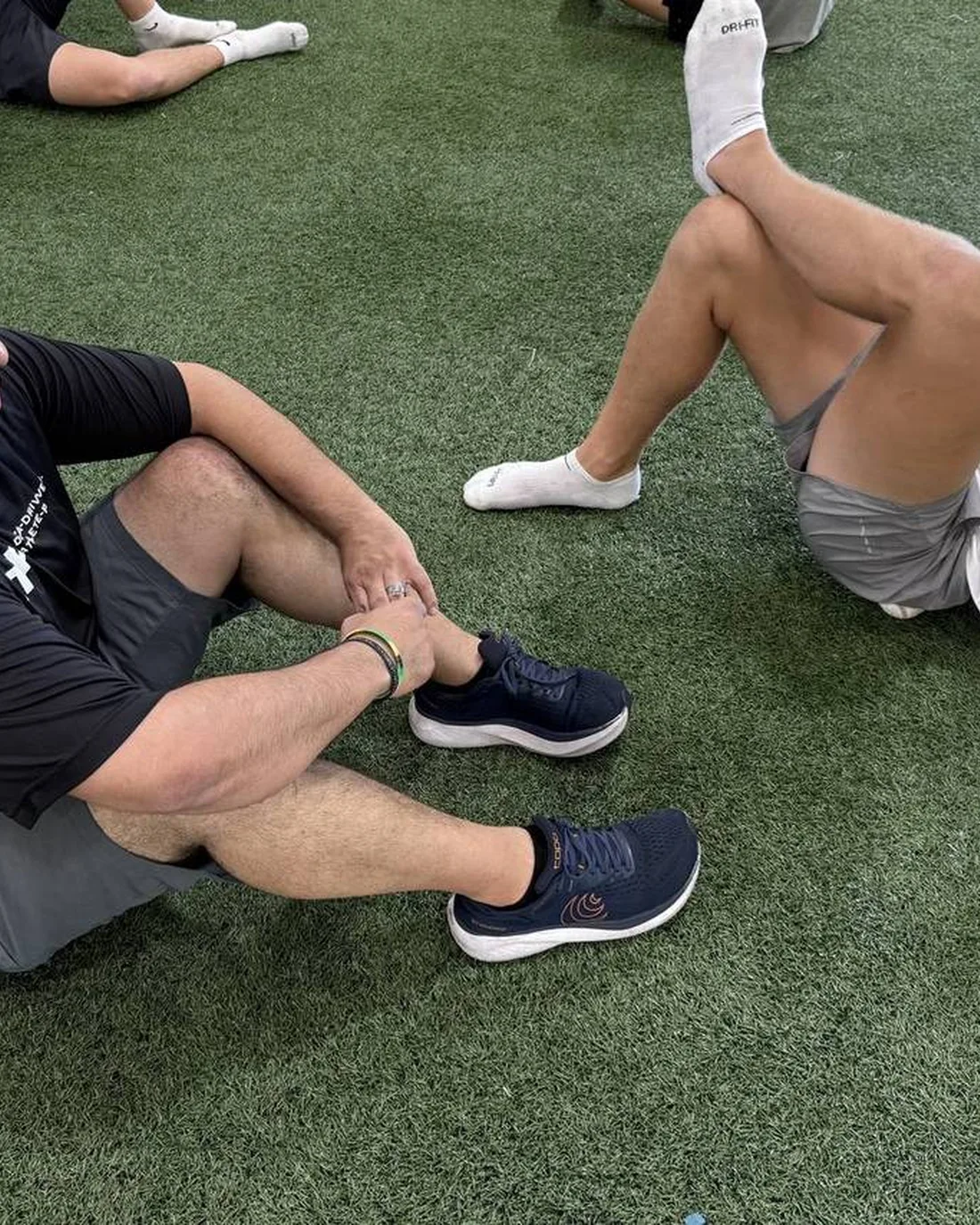
Placeholder. Procedure photo from iTOP Media.
The technique
What it is
Assisted stretching is stretching that your clinician helps you do, rather than stretching only on your own. They position the limb or the trunk, take you into a comfortable stretch, and may use a method that includes a brief, gentle muscle contraction followed by relaxation, which can allow a slightly deeper stretch.
You might hear this described as stretch therapy, clinician-assisted stretching, or, when a contraction-relax sequence is used, a PNF-style stretch. The names matter less than the idea: a trained person helps you find a useful range and keeps the stretch from becoming a forced or bounced motion.
At iTOP, assisted stretching is part of mobility work inside a physical therapy plan. It is often paired with hands-on care and with the strengthening and movement practice that help a new range actually last. Stretching on its own is rarely the whole answer.
Assisted stretching, also described on our site as stretch therapy or clinician-assisted stretching, is available at all three iTOP clinics: Lubbock, Colleyville, and Irving. Your clinician will decide how it fits your plan.
In plain words
How it works
Muscles and other soft tissue can feel tight after training, after an injury, or when you have been protecting an area. Stretching may help that tissue tolerate a longer position, and it may reduce the feeling of stiffness. In a clinician-assisted stretch, your therapist can control the direction and the amount of force more precisely than you may be able to on your own, and they can watch how you respond.
When a contract-and-relax sequence is used, you gently tighten the muscle against your clinician's hand, then let it go. After that relaxation, the stretch may be taken a little farther, still within a range that does not produce sharp pain. Research on stretching suggests it can improve range of motion. How much that change carries into sport depends on what else you do: strength, control, and practice in the positions your sport needs.
Stretching should not be forced. A gentle pulling sensation is typical. Sharp pain, numbness, or tingling is a signal to stop and tell your clinician.
Your visit
What to expect
A typical sequence. Your clinician may adjust the order or skip a step based on your exam. There is no fixed script for every visit.
-
Your clinician chooses what to stretch
After an exam, they pick the areas that actually limit your movement or sport, rather than stretching everything. Tell them about recent surgery, a new injury, nerve symptoms (numbness, tingling, or shooting pain), joint looseness, or a stretch that has caused problems in the past.
-
You are positioned
You may lie on a table or sit. Your clinician supports the limb and moves you into a comfortable stretch. You can breathe normally and speak up at any time.
-
A contraction may be added
They may ask you to gently push or squeeze for a short count, then relax. After you relax, they may take the stretch a little farther, still within a tolerable range. There is no bouncing, and you are not pushed into pain.
-
You use the new range
Assisted stretching is typically followed by movement or strengthening in that range, so the mobility has a chance to matter for how you actually move. Your clinician may also give you a simple stretch to practice on your own, when that is appropriate.
-
Afterward
You may feel looser, or you may feel mild soreness, similar to after a workout. Contact the clinic if you have lasting pain, swelling, or nerve symptoms that are new or worse.
Healing and recovery
How it may help
Assisted stretching may help you move more freely and may reduce the feeling of tightness after training or as part of rehab. For some athletes, that is a hip that needs more range for a squat or a stride, a shoulder that is tight going overhead, or a calf and ankle that need more motion for running or court work.
It may also be used after injury or surgery, once your clinician decides the tissue is ready, to help restore motion that has been lost while an area was protected. A clinician-guided stretch can be more specific and more carefully dosed than stretching only on your own.
Flexibility is not the only goal, and more range is not always better, especially if a joint is already very mobile. The aim is useful motion for your sport, combined with the strength to control it. Benefits vary, and stretching alone will not strengthen a tendon or fix a movement problem.
Is this for you?
Who it helps
Athletes and active adults who feel stiff, who have lost motion after an injury or surgery, or who need better range in a position their sport demands. It may be part of care for runners, court-sport athletes, HYROX and functional-fitness athletes, football athletes, and people returning from surgery, where appropriate.
It is used carefully after recent surgery, with a new or unstable injury, when there are nerve symptoms, or when a joint is already unusually loose. Your clinician will decide what is appropriate, and they will not force a stretch.
Please read
Safety and side effects
Assisted stretching is generally gentle and well tolerated when it stays in a comfortable range. Mild soreness afterward can happen. The main risks come from stretching too far, stretching a tissue that is not ready (a fresh strain, a healing surgical site), or stretching into nerve symptoms.
Tell your clinician if you had recent surgery, if an injury is new or unstable, if you have numbness, tingling, or shooting pain, if a joint feels loose or has a history of dislocation, or if a particular stretch has caused problems before. After some surgeries, specific motions are limited on purpose. Your clinician will follow that protocol.
There is no bouncing, and you should not be pushed through sharp pain. If something feels wrong, say so and the stretch is stopped.
FAQ
Common questions
Assisted stretching is stretching your clinician helps you do. They position you, guide the motion, and may use a brief muscle contraction followed by relaxation so you can move a little farther, within a comfortable range. It is typically paired with other care and exercise, and it is available at all three iTOP clinics.
You can and often should stretch on your own when your clinician recommends it. In the clinic, a therapist can control the direction and the amount of stretch more precisely, watch how you respond, and combine it with the rest of your plan. It is a complement to a home routine, not a replacement for all of your own mobility work.
You should feel a gentle pulling or tightness, not sharp pain. If a contraction-relax sequence is used, you will briefly tighten the muscle, then let it go, and the stretch may be taken a little farther. Bouncing is not used. Tell your clinician if you feel pain, numbness, or tingling.
Tell your clinician about recent surgery, a new or unstable injury, nerve symptoms such as numbness or tingling, a joint that is already very loose, or a stretch that has caused problems before. Your clinician will decide what is appropriate and will follow any surgeon's motion limits that apply.
Usually not. Stretching may help you move more freely, but strength, control, and practice in the positions your sport needs are what tend to make a change last. At iTOP, assisted stretching is part of a physical therapy plan, not a stand-alone program.
Assisted stretching is available at all three iTOP clinics: Lubbock, Colleyville, and Irving. Your clinician will decide how it fits a given visit.

Next Step
Start with Assess.
An evaluation at our Lubbock, Colleyville, or Irving clinic. Personalized care focused on recovery, strength and performance. Wear comfortable clothes you can move in. Insurance at Colleyville and Irving; cash pay at all three clinics.